Network field guide
Analysis of modern networks
A builder-facing report on modern L1 and L2 networks, comparing consensus, usage, gas, developer speed, reputation, and which chains make sense for different kinds of products.
Analysis of modern networks: where should serious teams build now?
The fastest honest answer is that the modern blockchain market has split into distinct product lanes. Ethereum still dominates capital depth and institutional trust. The major Ethereum rollups now matter because that is where many EVM teams actually ship user activity. Solana is still the strongest consumer-performance alternative when low fees and fast interactions are part of the product, not just a nice bonus. BNB Chain, Avalanche, Polygon, Sui, Aptos, and zkSync all matter, but mostly in more specific situations.
That makes the shallow 'which chain is best' question less useful than it sounds. Builders really need to ask: do we want the deepest liquidity, the easiest hiring market, the smoothest consumer UX, the strongest enterprise reputation, the cheapest onchain interactions, or the cleanest path to shipping with the developers we can actually hire?
Current chain data helps clarify the split. DeFiLlama still shows Ethereum far ahead in total value locked at about $108.22B. Solana follows at about $13.53B, and Binance Smart Chain is still large on usage with roughly $6.75B in TVL and about $795.6M in recent 24-hour DEX volume. Among Ethereum-linked execution environments, Base is especially strong right now with about $5.85B TVL and roughly $396.8M in recent DEX volume, while Arbitrum remains one of the most credible DeFi-heavy rollup environments at about $2.98B TVL.
Current market read (2026)
These figures are useful because they separate architectural theory from where users and capital actually are right now.
| Network | Class | Consensus or settlement model | Current TVL read | Recent DEX 24h read | Builder read |
|---|---|---|---|---|---|
| Ethereum | L1 | Proof-of-stake | $108.22B | $765.4M | Still the capital center and institutional default for serious onchain finance. |
| Solana | L1 | Proof of History plus proof-of-stake | $13.53B | $1.29B | Best current case for fast consumer-grade crypto products. |
| BNB Chain | L1 / EVM chain | Proof of Staked Authority | $6.75B | $795.6M | Large retail and trading footprint, but weaker prestige with more conservative builders. |
| Base | L2 | OP Stack optimistic rollup settling to Ethereum | $5.85B | $396.8M | One of the most important current rollups because Coinbase distribution changes the adoption math. |
| Arbitrum | L2 | Optimistic rollup settling to Ethereum | $2.98B | $172.2M | Still a strong EVM default for DeFi-heavy products. |
| Avalanche | L1 | Avalanche consensus / Snowman under proof-of-stake validators | $1.74B | $43.2M | Technically credible, especially for custom environments, but less default gravity than Ethereum or Solana. |
| Polygon PoS | EVM sidechain | Proof-of-stake chain checkpointed to Ethereum | $1.30B | $327.9M | Cheap and familiar for EVM teams, but no longer the automatic scaling answer it once seemed to be. |
| Sui | L1 | Delegated proof-of-stake | $882.8M | $34.5M | Interesting for teams that want Move and a newer execution model, but still a narrower talent market. |
| Aptos | L1 | Proof-of-stake with AptosBFT | $363.9M | $22.2M | Technically serious, but still more of a specialist ecosystem than a mainstream default. |
| Optimism | L2 | Optimistic rollup settling to Ethereum | $264.6M | $18.2M | Important strategically because of the OP Stack and Superchain model, even when activity is uneven. |
| zkSync Era | L2 | Zero-knowledge rollup settling to Ethereum | $23.4M | $0.36M | Architecturally important, but currently a much smaller execution environment than the leading rollups. |
L1 vs L2 is the first decision, not an afterthought
Most network comparisons still jump directly into brand-level arguments, but builders usually make a more structural choice first. Do you want to live inside a large base layer with its own validator and consensus story, or do you want to inherit Ethereum's trust model through a rollup and accept sequencer, bridge, and ecosystem tradeoffs in exchange for lower cost and better throughput?
That is why Ethereum versus Solana is still real, but Ethereum mainnet versus Solana is not the full decision tree anymore. For many teams, the real choice is Ethereum plus a rollup stack versus Solana as a fast integrated L1.
Consensus, execution, and developer-speed comparison
This is the part that changes hiring, audit process, app architecture, wallet support, and how quickly a team can move.
| Network | Execution model and standards | Developer speed | Main pros | Main cons |
|---|---|---|---|---|
| Ethereum | EVM with ERC-20, ERC-721, and ERC-1155 standards | Fastest overall hiring and vendor market for smart contracts | Deepest liquidity, strongest institutional trust, best audit and tooling market | Mainnet costs are still high and many user flows now depend on L2 strategy |
| Arbitrum | EVM-compatible optimistic rollup | Fast for existing Solidity teams | Strong DeFi reputation, easier EVM migration, good Ethereum composability | Still inherits rollup complexity, bridge assumptions, and sequencer considerations |
| Base | EVM-compatible OP Stack rollup | Very fast for existing EVM teams | Coinbase distribution, strong growth, cheap user flows, familiar tooling | Platform concentration and reputational dependence on a single large company matter |
| Optimism | EVM-compatible optimistic rollup and OP Stack ecosystem | Fast for EVM teams and ecosystem builders | Strategically important because many chains now ride the OP Stack | Less obvious end-user gravity than Base or Arbitrum right now |
| zkSync Era | EVM-oriented ZK rollup | Medium; attractive for some teams but less mature operationally | Strong long-term scaling logic and ZK credibility | Smaller present-day activity and a less obvious default builder community |
| Polygon PoS | EVM sidechain with ERC-20-style compatibility | Fast for Solidity teams | Cheap transactions, broad historical familiarity, easy EVM onboarding | Weaker prestige and more architectural ambiguity than a canonical Ethereum rollup |
| Solana | SVM programs, usually Rust, with SPL token standards | Medium; steeper than EVM for many teams but strong once the team is aligned | Excellent consumer UX, high throughput, low fees, strong current trading and app energy | Smaller developer market than EVM and a more debated institutional trust story |
| BNB Chain | EVM chain with ERC-20-style tooling and retail-heavy liquidity | Fast for EVM teams | Large activity surface, cheap transactions, broad wallet and exchange familiarity | Lower prestige with some builders and more centralization concerns |
| Avalanche | EVM-compatible C-Chain plus broader Avalanche architecture | Fast to medium depending on whether you stay in the standard path or go custom | Credible performance, subnet story, and enterprise customization appeal | Less default user and capital gravity than the top EVM and Solana environments |
| Sui | Move-based object-centric execution | Medium to slower because the talent pool is narrower | Interesting architecture, strong performance narrative, differentiated execution model | Smaller ecosystem, narrower hiring base, and less standard buyer familiarity |
| Aptos | Move-based execution with AptosBFT | Medium to slower for the same reason as Sui | Serious engineering, good performance story, and clear technical identity | Still not a mainstream default for most product teams |
Ethereum and the ERC-20 / EVM world still move fastest for most teams
If speed of hiring, auditability, vendor support, and ecosystem interoperability matter most, the EVM world still has the easiest default case. That does not mean Ethereum mainnet is the cheapest place to put users. It means Ethereum, Arbitrum, Base, Optimism, and the broader ERC-20 / EVM tooling world still provide the widest path for getting a serious smart-contract product from concept to production with talent you can actually recruit.
That is why the EVM networks continue to win a large share of enterprise, DeFi, tokenization, and tooling work. The standards are familiar, auditors are available, wallets are broadly compatible, and buyers understand the stack.
Solana is still the strongest non-EVM consumer-performance bet
Solana's best argument is not that it replaced Ethereum. It did not. The better argument is that it makes certain product categories feel more like software and less like infrastructure ceremony. Cheap and frequent interactions, faster perceived execution, and a single more unified environment make it unusually attractive for trading apps, social products, gaming loops, payments-like flows, and fast consumer dapps.
That is why Solana now looks less like a niche contrarian choice and more like the clearest alternative design center: not Ethereum compatibility first, but product feel first.
Sui, Aptos, Avalanche, BNB Chain, Polygon, and zkSync are all real, but not equal defaults
This is where a lot of network reports become too polite. These chains and execution environments are not fake. They are just not equally default. BNB Chain is meaningful because retail and exchange-driven usage still matter. Avalanche is meaningful because some teams value its architecture and customization path. Polygon still matters because it remains cheap and familiar. Sui and Aptos matter because Move ecosystems may be attractive to teams who believe the execution model is worth the narrower hiring market. zkSync matters because zero-knowledge rollups still matter strategically.
But most teams should not start by pretending every chain sits at the same level of current relevance. The default short list for serious builders is still Ethereum plus major EVM rollups, Solana, and then a narrower second tier chosen for specific reasons.
Choose the network family by product type
This is usually more useful than trying to crown one chain as universally best.
| Product type | Best default | Why |
|---|---|---|
| Institutional DeFi, tokenization, treasury, or RWA-heavy products | Ethereum plus the right EVM L2 | Liquidity depth, enterprise trust, familiar standards, and easier vendor coordination still dominate here. |
| Consumer trading, social, gaming, or payments-like dapps | Solana | Low-fee and low-latency interaction quality matters more than maximum institutional comfort. |
| Consumer app with strong Coinbase distribution logic | Base | The chain itself matters, but so does the surrounding distribution and onboarding surface. |
| Classic Solidity team shipping fast with deep DeFi adjacency | Arbitrum or Ethereum | Arbitrum remains an especially credible EVM execution environment for DeFi-heavy products. |
| Retail-heavy EVM product with exchange familiarity | BNB Chain | Not the highest-prestige answer, but sometimes the most practical one for the actual users. |
| Team specifically committed to Move and a newer execution model | Sui or Aptos | Choose only if the architecture and ecosystem tradeoff is intentional, not accidental. |
Frequently asked questions
These are the search-intent questions most builders actually mean when they compare modern networks.
What is the best blockchain for smart contracts in 2026?
For most serious teams, the best default remains Ethereum plus the right EVM execution environment, because that still provides the deepest liquidity, the easiest hiring market, and the broadest vendor and audit ecosystem. Solana is the strongest alternative when fast consumer interaction quality matters more than EVM compatibility.
Should a startup choose an L1 or an L2 first?
Start with the product and user experience. Choose an Ethereum L2 when you want Ethereum-aligned trust and EVM tooling with better cost and throughput. Choose an L1 like Solana when the product is interaction-heavy and benefits from a more unified execution environment.
Are Arbitrum, Base, and Optimism better than Ethereum mainnet for most apps?
For many user-facing applications, yes. They often provide a better fee and throughput profile while keeping teams inside the EVM and Ethereum-linked ecosystem. The real decision is not mainnet purity. It is what mix of trust, cost, and UX the product actually needs.
Is Solana better than Ethereum for developers?
Not universally. Ethereum still has the broader default developer market and easier hiring path. Solana can be the better product choice for certain categories, but it usually asks the team to commit more intentionally to its tooling and execution model.
Where do Sui and Aptos fit in the current market?
They are serious newer ecosystems with differentiated execution models and a Move-based developer story. They can be the right fit for teams that specifically want that model, but they are still narrower defaults than Ethereum, the major rollups, or Solana.
Bottom line
If you want the safest mainstream builder default, start with Ethereum and the major EVM rollups.
If you want the strongest current consumer-performance chain, start with Solana.
If you are choosing anything else, do it because the product, audience, or architecture really points there, not because a market map made every chain look equally central.
Visual source gallery
These are the current sources behind this report as of 2026. The point is to combine official chain material with live market data rather than rely on recycled tribal arguments.
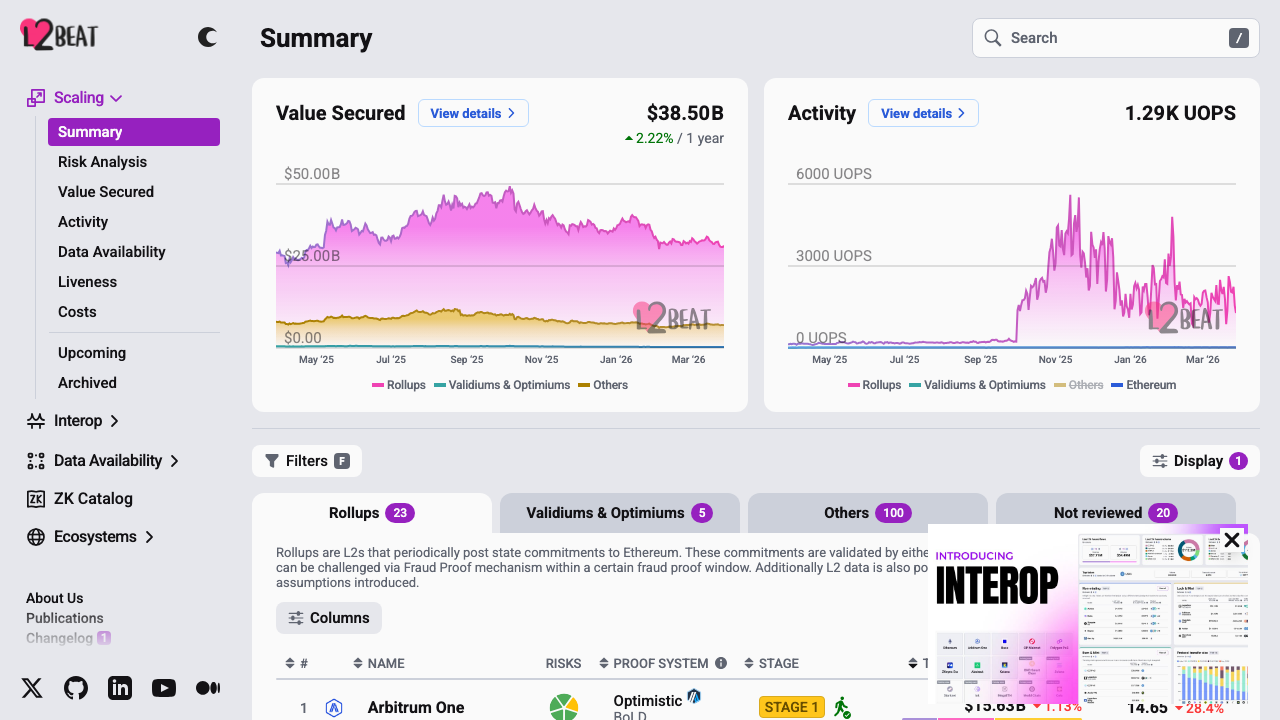
Useful because it remains the cleanest live dashboard for understanding the current Ethereum L2 landscape and why L2 versus L1 is now the first architectural fork.
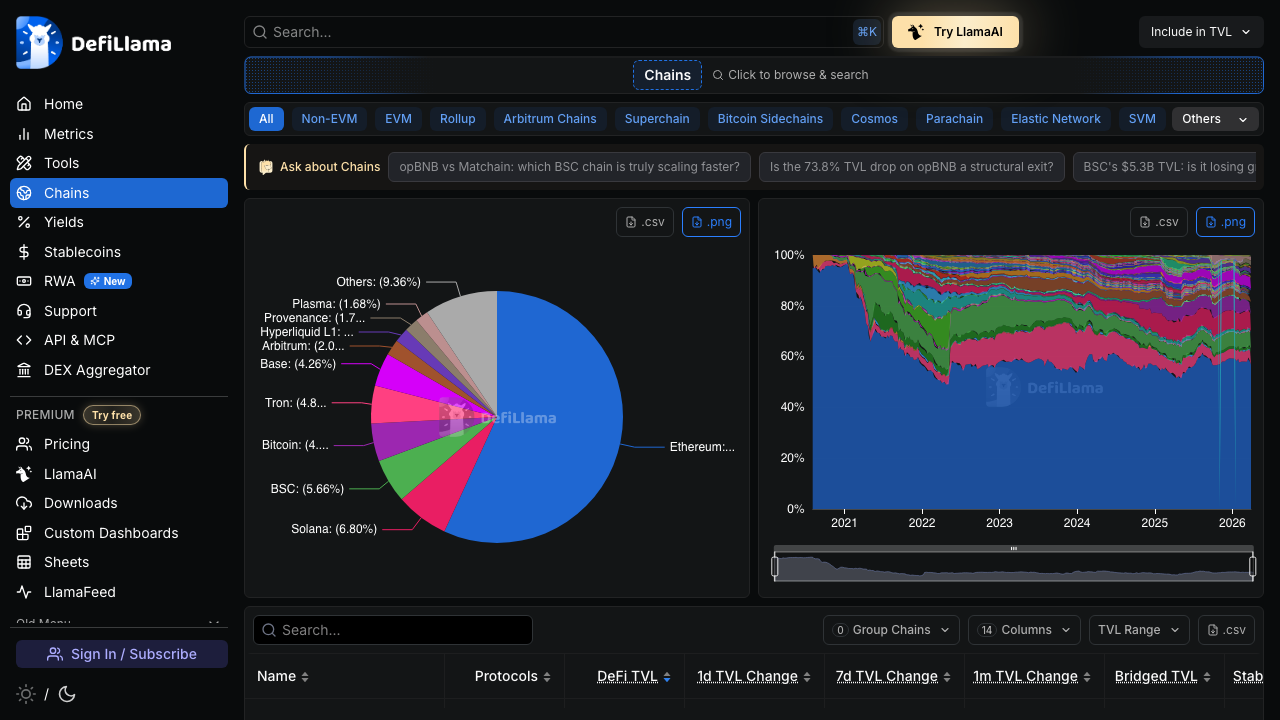
Best fast source for current chain-level TVL comparisons across the networks discussed here.
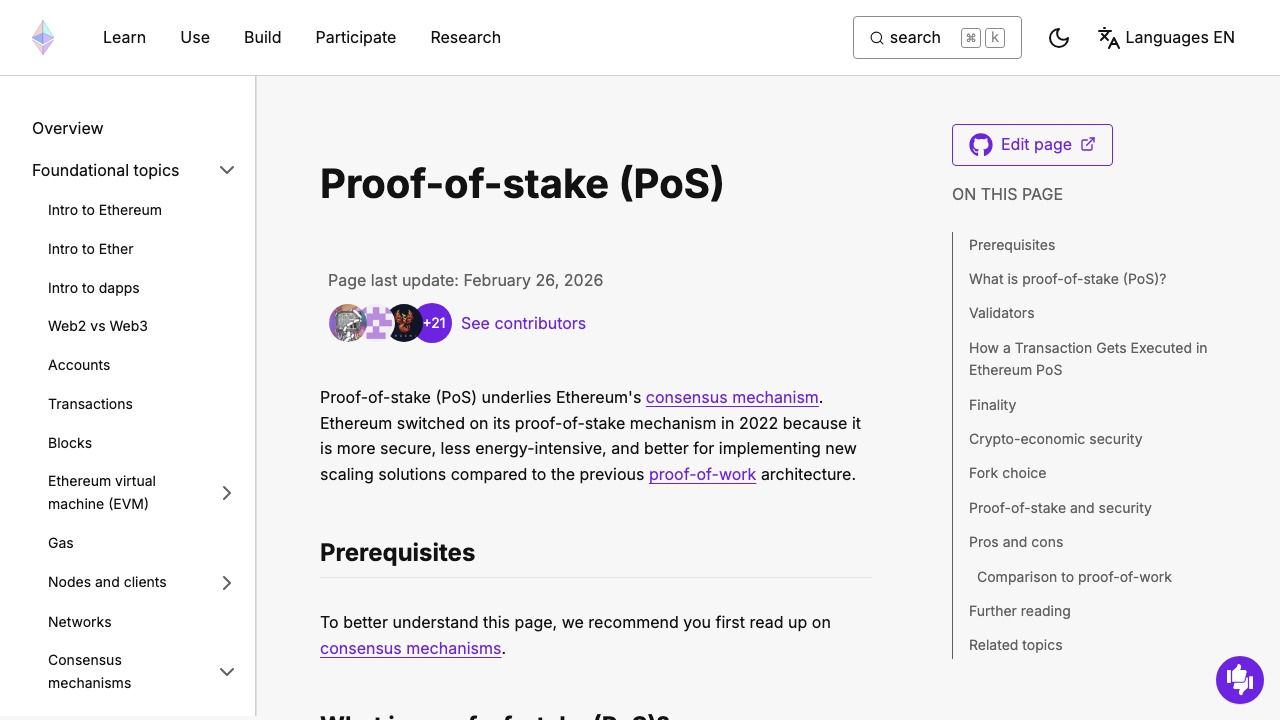
Useful because it grounds Ethereum's current consensus model and why the chain remains the trust anchor for much of the ecosystem.
A practical source for how Arbitrum now presents itself: an Ethereum-aligned execution environment with serious DeFi gravity.
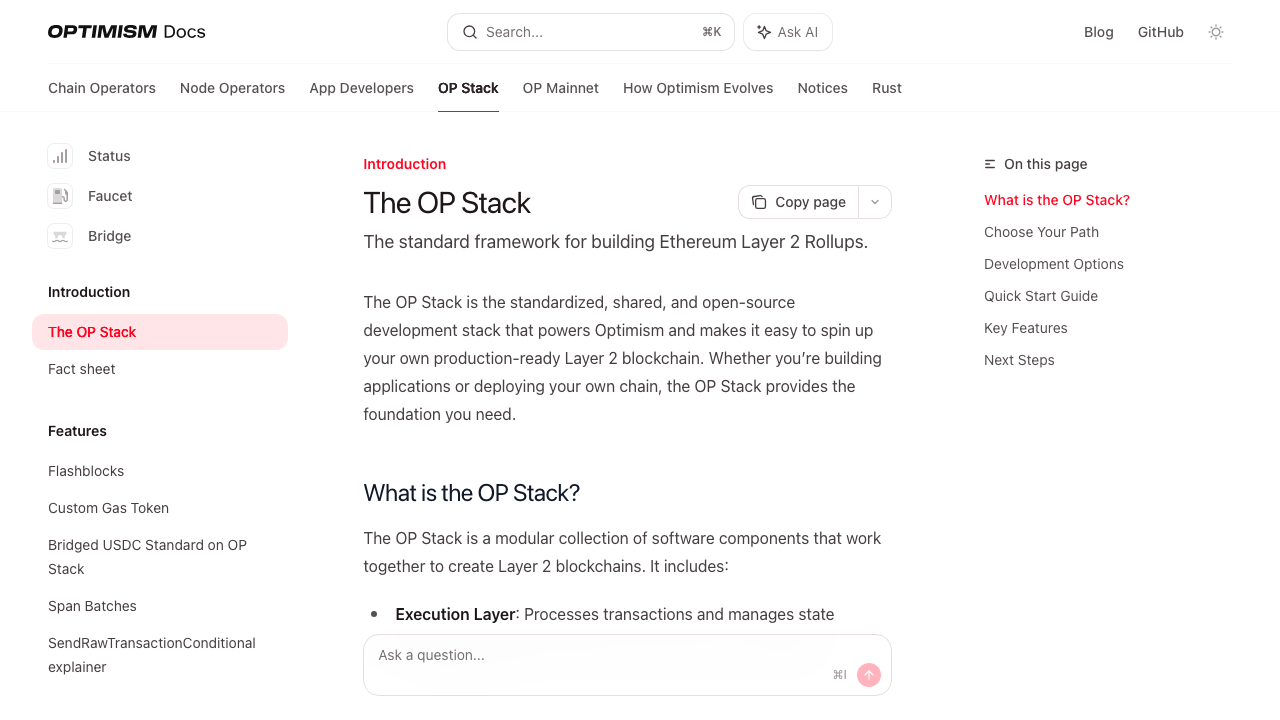
Useful because the OP Stack matters well beyond Optimism itself; it now shapes how multiple L2 environments are built and understood.
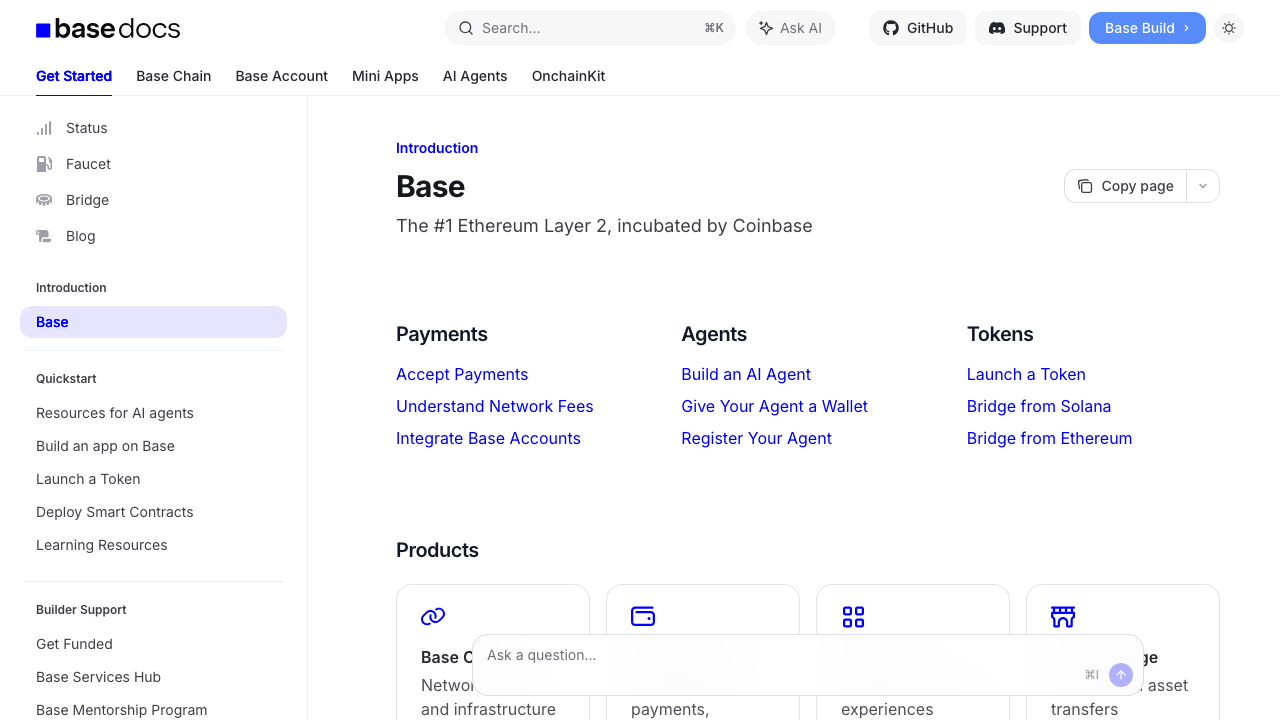
Important because Base is not just another rollup anymore; distribution through Coinbase makes it strategically different.
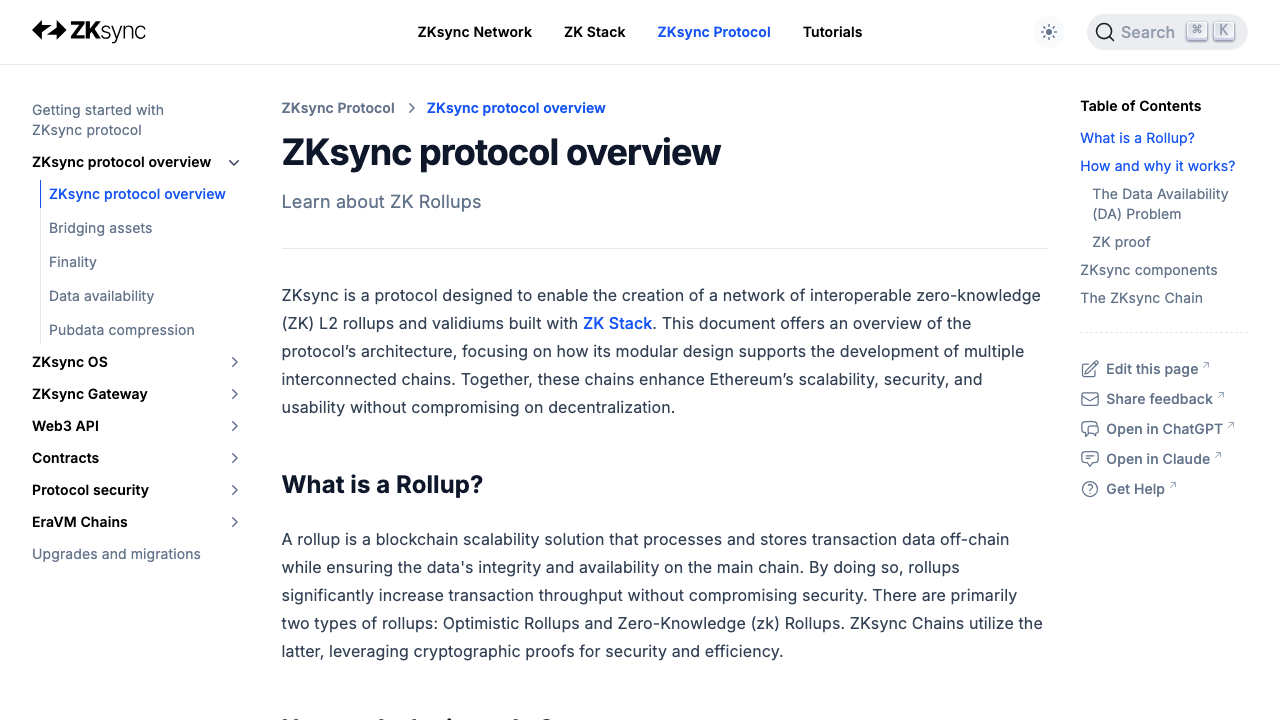
Useful for the ZK rollup side of the comparison and for understanding why zkSync still matters architecturally.
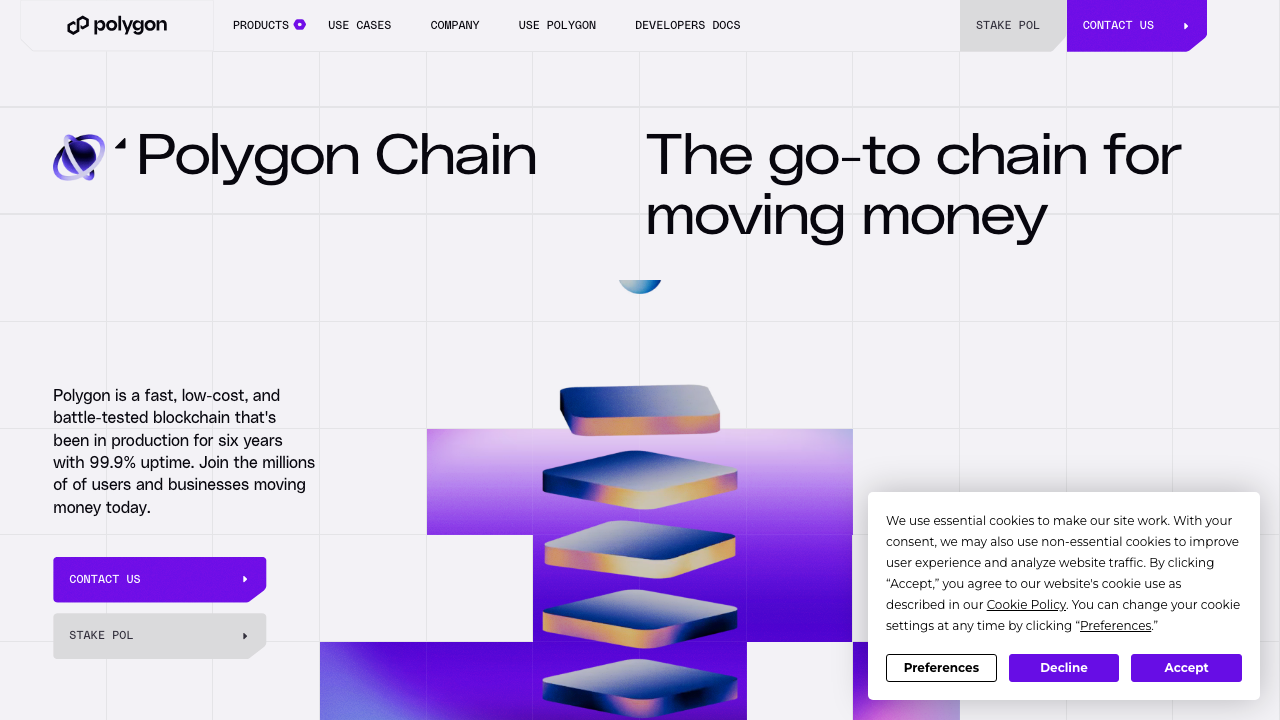
Helpful because Polygon still matters to builders, but for different reasons than the canonical Ethereum rollup set.
Best official source on Solana's uptime, validator economics, throughput milestones, and current self-understanding.
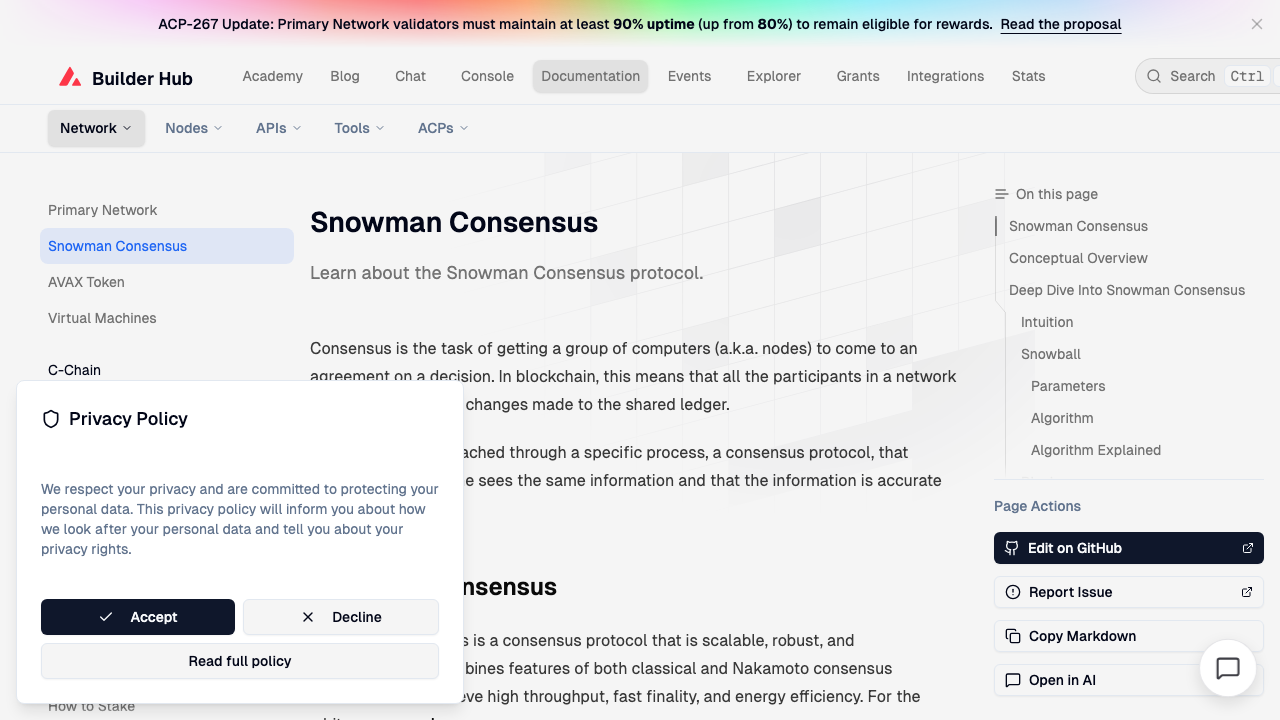
Useful because Avalanche is often discussed vaguely; this source keeps the consensus and architecture claims concrete.
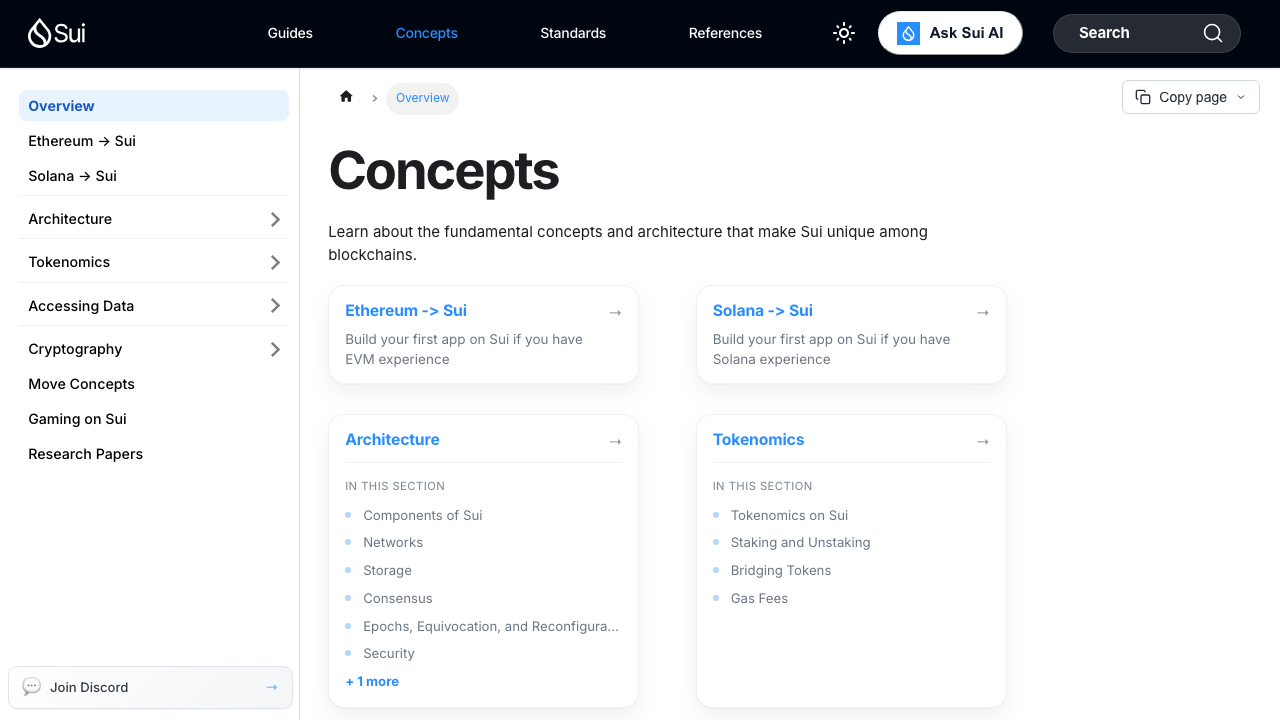
Important because Sui's value proposition is tightly tied to its architecture and object-centric execution model.
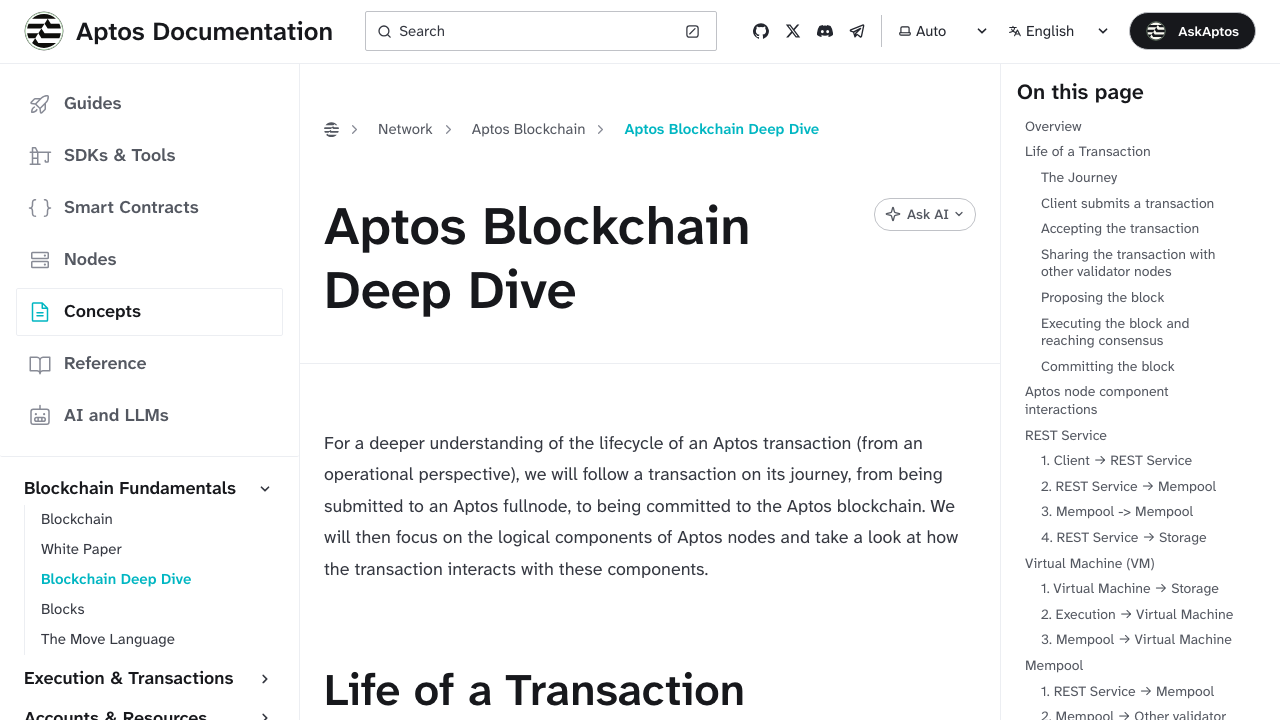
Useful for understanding Aptos as a technically serious but still narrower builder ecosystem.
Important because BNB Chain remains relevant on usage and retail gravity even when it is not the prestige answer in builder circles.